Under ISO 8655 standards, mixing pipettes and tips from different manufacturers may require recalibration to verify performance.
Multiple independent evaluations show that non-system tips frequently exceed permissible error limits.
The upfront savings may quickly be offset by lost samples, repeat experiments, and time.
Material Quality and Purity Matter
High-quality tips should be manufactured from pure, contaminant-free polypropylene in controlled environments.
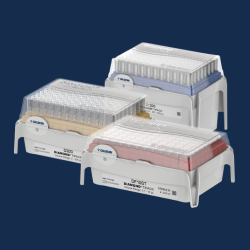
Gilson PIPETMAN® DIAMOND Tips are produced from 100% virgin polypropylene with no dyes, additives, or trace metals. They are certified free of detectable DNA, RNA, DNase, RNase, ATP, and endotoxins.
For workflows involving enzymatic reactions or nucleic acid amplification, material purity isn’t optional, it’s essential.
What About Autoclaving?
Autoclaving lower-quality tips can alter dimensions, affecting fit and calibration. Shrinkage or deformation may introduce systematic volume errors.
For sensitive applications, sterile, validated tips provide greater confidence and reproducibility.
The Advantage of a Matched System
When pipettes and tips are engineered as a complete system, performance is optimized at every step, from manual pipetting to fully automated workflows. Fit is designed for airtight sealing, calibration specifications are validated together, ISO 8655 compliance is supported, and both systematic and random errors are minimized.
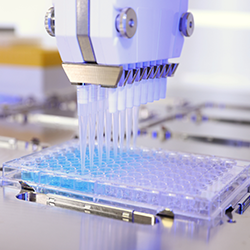
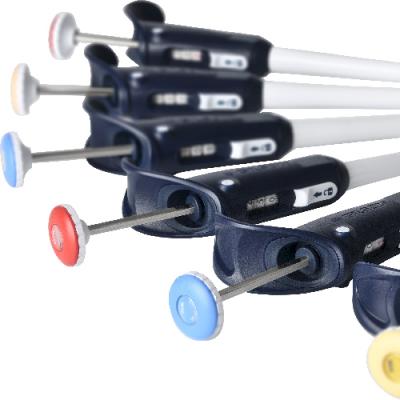
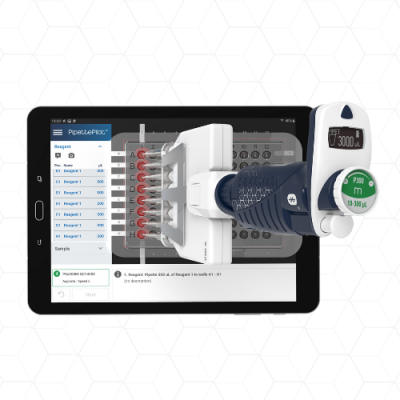
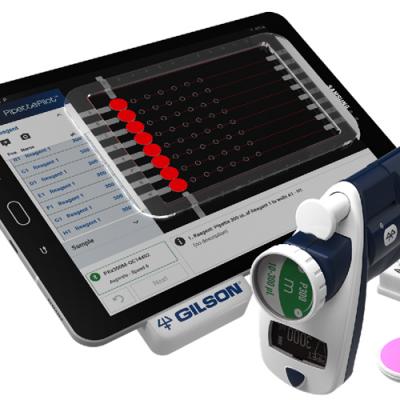
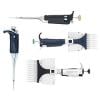
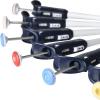
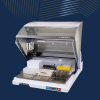
Using PIPETMAN® mechanical and electronic pipettes alongside PIPETMAN® DIAMOND Tips ensures consistency at the bench, while seamless compatibility with PIPETMAX® 268 and PIPETMAX® 278 extends that same reliability into automated applications. This continuity across workflows helps reduce variability, conserve samples, and simplify operations by using a single, trusted tip platform.
Because precision doesn’t stop at the pipette; it carries through every step of your workflow.
One Tip Platform for Every Workflow
From everyday bench work to fully automated liquid handling, consistency starts with the right tip. PIPETMAN® DIAMOND Tips are designed to perform seamlessly across PIPETMAN® pipettes and PIPETMAX® systems, helping standardize workflows, reduce variability, and simplify inventory. Explore PIPETMAN DIAMOND Tips and find the right fit for your lab.
Explore Tips Here