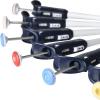
High-quality pipette tips are essential components of the pipetting system that directly impact the accuracy, precision, and reproducibility of experimental results. Although many tips may appear similar, differences in design, materials, and manufacturing consistency can significantly influence pipetting results.
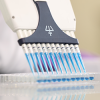
Some issues, such as tips falling off the pipette shaft or “banana-shaped” tips on multichannel pipettes, are immediately visible. Others are more subtle and may only become apparent through inconsistent or unreliable results, particularly when using tips not recommended by the pipette manufacturer.
When troubleshooting experimental variability, attention is often focused on reagents, methods, or the pipette itself. Pipette tips are rarely considered the source of the problem. However, selecting the right tip can play a critical role in ensuring reliable results.
Below are four key factors to consider when choosing pipette tips for your application.
- Quality Begins with Materials and Manufacturing
Many laboratory applications involve pipetting harsh substances such as acids, bases, solvents, or saline solutions. These reagents can affect the chemical resistance of materials they contact, including pipette tips. For this reason, pipette tips should be manufactured from chemically resistant materials that ensure reliable performance. High-quality tips are typically made from virgin polypropylene, which provides strong chemical resistance and consistent physical properties.
It is also important that the manufacturing process avoids additives such as slip agents, plasticizers, biocides, silicone, or dyes. While these additives can simplify production, they may interfere with sensitive biological assays.
Gilson pipette tips are manufactured from high-grade virgin polypropylene to ensure hydrophobicity and consistent material quality.
- The Relevance of Purity and Sterility Criteria
For sensitive applications such as molecular biology, especially qPCR/PCR, pipette tips must meet strict purity and sterility requirements. Contaminants such as human DNA, bacterial DNA, RNA, DNase, RNase, or pyrogens can interfere with reactions and compromise experimental results.
Different applications require different levels of purity, so laboratories should select tips that meet the specific requirements of their workflows. Certified sterile tips and additive-free manufacturing processes help preserve sample integrity and reduce contamination risks. Ensuring appropriate purity and sterility is essential when performing highly sensitive assays.
- Fit and Compatibility with Pipettes
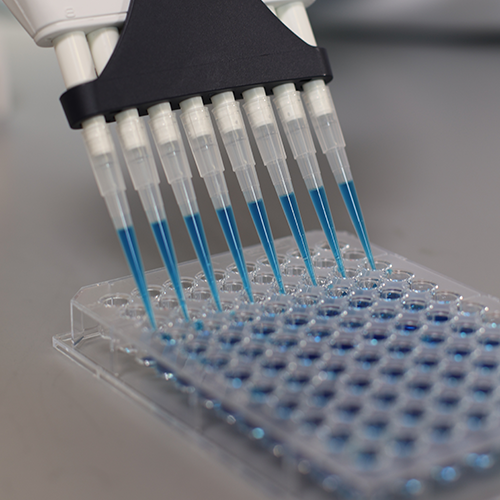
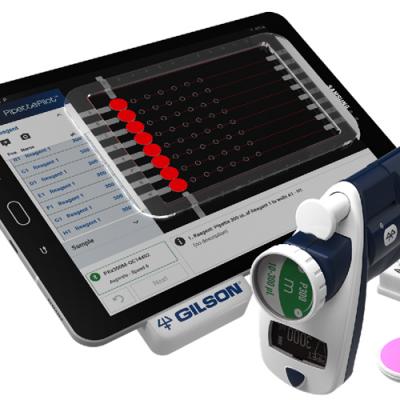
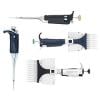
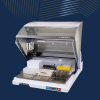
Accurate pipetting requires a tight and reliable seal between the pipette shaft and the tip. A poorly fit tip can lead to air leaks, inconsistent aspiration, and inaccurate dispensed volumes. Pipette tips designed as part of a complete system, such as PIPETMAN® DIAMOND Tips, are engineered to perfectly match Gilson instruments, including air displacement pipettes, 96-channel pipettors, like PIPETMAN® M96 and PLATEMASTER®, and fully automated pipetting systems, like PIPETMAX®. This optimized fit helps reduce variability and improve reproducibility.
Some tips, such as AmpliPur® Expert Tips, are designed to be compatible with multiple pipette brands while still maintaining reliable performance.
Selecting a pipette and tips designed to work together helps ensure optimal pipetting accuracy and consistency.
- Traceability and Quality Certification
Reputable manufacturers implement strict production controls to ensure product quality and traceability. Batch numbers on packaging and individual tip markings allow laboratories to track production history and quickly investigate potential issues. This level of traceability supports quality assurance processes, particularly in regulated environments.
PIPETMAN DIAMOND Tips are individually marked with an identification number that enables full traceability. Using this number, the production mold, and even the exact cavity that produced the tip, can be identified.
Modern laboratory standards also require documented quality management and product certification. Manufacturers should provide evidence of compliance with relevant quality and purity standards.
What to Remember When Choosing Pipette Tips
Choosing high-quality pipette tips is more than a matter of convenience, it is a key factor in ensuring reliable laboratory results. By evaluating materials, purity, compatibility, and traceability, laboratories can reduce variability, minimize contamination risks, and improve reproducibility across applications.
Selecting tips that are engineered to work as part of a complete pipetting system helps ensure consistent performance and greater confidence in experimental outcomes.
Molecular Biology: PCR / qPCR
PCR & qPCR have enabled many applications in fields such as diagnostics, forensics, and research. A series of cycles of temperature changes can exponentially amplify a single copy of DNA. The process can be contaminated by a single copy of an undesired DNA sequence, and special tools are often needed. Gilson has been involved in the area ofPCR for many years and has a range of products to assist in this process.
Learn More